

Renting out your RV sounds like a dream on paper: passive income, weekend warriors making memories, and your investment working for you while you sleep. But the first year in RV rental management is also a crash course in operations, trust, systems, and the unexpected.
This article isn’t just a highlight reel. It’s a real-world account of what it’s like to enter the RV rental business as a first-time owner. From rookie mistakes and surprise costs to hard-won wins and systems that saved the day, here’s what I learned in year one.
Table of Contents
- Why I Decided to Rent My RV
- The Learning Curve No One Warns You About
- Mistakes That Cost Me (and How I Fixed Them)
- What Worked Surprisingly Well
- How RVM Helped Me Go from Chaos to Confidence
- My Year-End Earnings Breakdown
- Biggest Lessons I’d Share With New Owners
- Final Thoughts: What’s Next in Year Two?
1. Why I Decided to Rent My RV

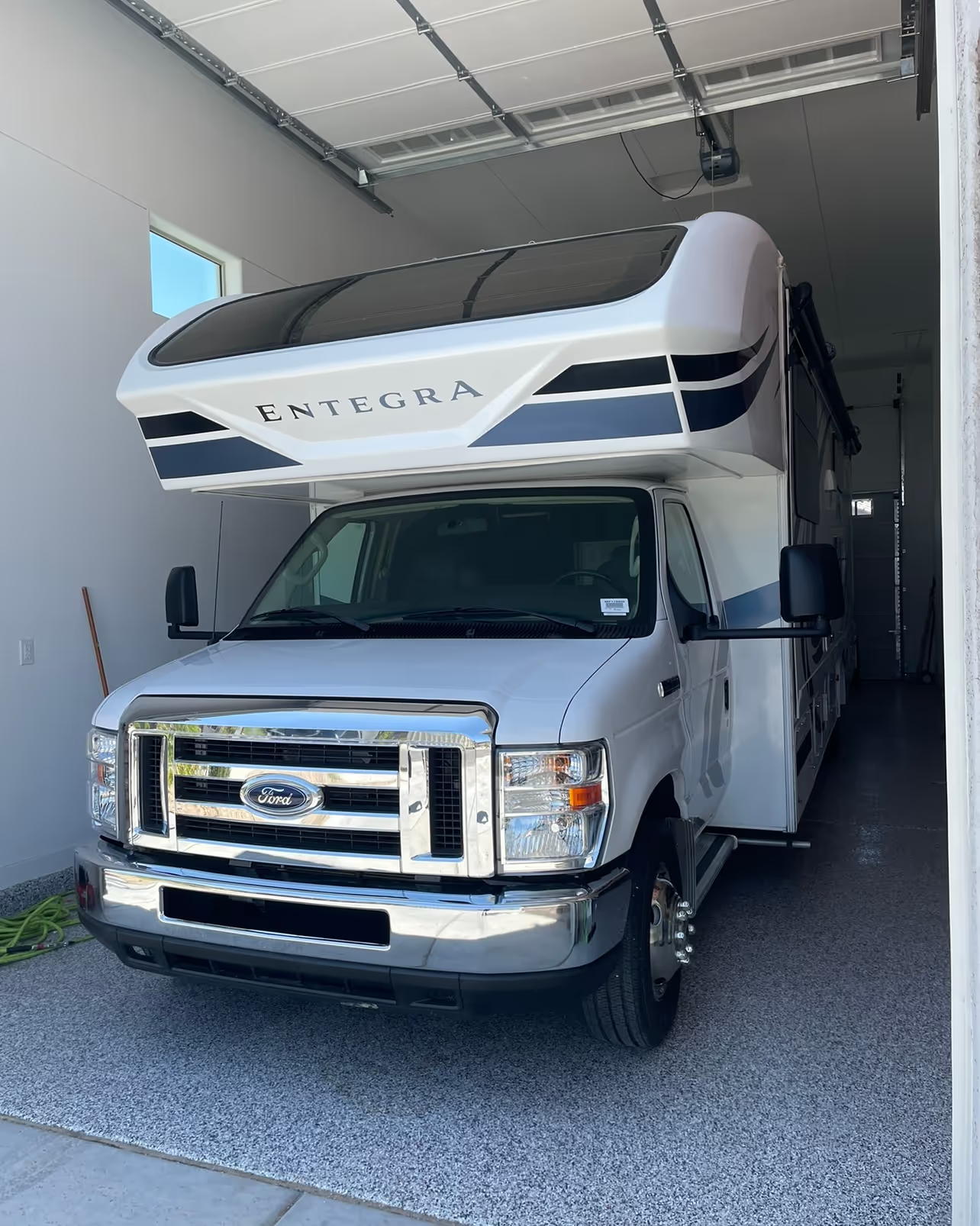
My RV journey started like many others: I bought a Class C motorhome during the pandemic to get outdoors with my family. But after our summer road trip, the unit sat in the driveway—insured, maintained, and depreciating.
I wasn’t ready to sell. I loved the flexibility. But I also hated watching an $80,000 vehicle do nothing 10 months a year.
After some research, I decided to try renting it out. At first, I listed it myself on Outdoorsy and RVshare. Then, I discovered RV Management USA (RVM), and everything changed.
2. The Learning Curve No One Warns You About
Here’s what no one tells you when you list your RV:
- Renters don’t always return it clean
- You’ll spend hours coordinating pickups, cleanings, and walkthroughs
- Insurance claims take time—and paperwork
- Things will break, even if they didn’t when you used it
The first few months were chaotic. I took last-minute bookings. I drove 30 minutes for handovers. I forgot to refill propane. I underestimated cleaning time. And yes, I had one renter dump their trash in the black tank.
It was far from passive.
3. Mistakes That Cost Me (and How I Fixed Them)
Here are a few of my biggest (and most expensive) first-year mistakes:
- No renter walkthrough: A family accidentally burned out the water heater. I hadn’t explained the propane system.
- Skipped pre-trip photos: A bent awning arm turned into a blame game I couldn’t win.
- Underpriced bookings: I accepted $100/night for peak season weekends. Turns out, similar units in my area were going for $185+.
- DIY everything: I was cleaning, managing the calendar, coordinating with renters, and trying to live my actual life.
The turning point was when I decided to stop trying to do it all alone.
4. What Worked Surprisingly Well

Not everything went wrong. Some strategies paid off big:
- Automated messaging: I used templated messages to walk renters through everything pre-trip.
- Pet-friendly policy: This got me 30% more bookings. Most renters with pets were extremely respectful.
- Delivery service: Offering delivery within 25 miles (for a fee) added $150–$300 to many bookings.
- Upgraded linens and mattress topper: The rave reviews these earned me were worth every penny.
In short: the more I made my RV feel like a boutique hotel on wheels, the more it got booked.
5. How RVM Helped Me Go from Chaos to Confidence
After four months of solo rentals, I joined RVM. That changed everything.
They matched me with a local Territory Manager who:
- Handled all cleanings and pre/post inspections
- Took care of renter communication and walkthroughs
- Managed scheduling, listings, pricing, and insurance
My RV started earning more—and I was no longer spending nights and weekends managing it. I could finally step back and treat it as a true passive income asset.
What surprised me most? Bookings increased because RVM’s listings and processes were better optimized than mine.
6. My Year-End Earnings Breakdown
Let’s talk numbers.
Unit: 2019 Thor Four Winds 28Z
Location: Denver, Colorado
Total nights rented: 153
Gross rental income: $29,150
My share (45%): $13,117.50
Expenses:
- Loan payments: $6,480
- Insurance: $1,320 (through RVM)
- Repairs & maintenance: $1,050
- Misc (linens, supplies, add-ons): $470
Net profit: ~$3,800
Personal use: 2 trips, 9 days total
Not a fortune—but a solid first year that paid for the loan and proved the model.
7. Biggest Lessons I’d Share With New Owners

- Get help early. Whether it's RVM or a local co-host, don’t go it alone.
- Treat it like a business. Document everything, respond to renters promptly, and set clear rules.
- Insist on walkthroughs. Avoid damage and confusion.
- Invest in comfort. Soft linens and a good mattress pay dividends in 5-star reviews.
- Say no. Not every renter is a good fit. Trust your gut.
8. Final Thoughts: What’s Next in Year Two?
Year one was a bootcamp in business ownership and asset management. I learned how to systematize, when to delegate, and how to build trust with renters and my RVM manager.
For year two, I’m looking to consignment. I’ve already sourced a second unit I’ll be managing for a friend. If that goes well, a third might follow.
Renting out my RV started as a way to offset costs. Now? It’s an asset class I understand—and a side hustle that’s finally working for me
– RVM Team